
“Scientists, like all others, should be guided by ethical and human rights values. The first decade of the 21st century has ended with little if any evidence of progress toward eliminating health disparities by race or socioeconomic status. It is time to be explicit that the heart of a commitment to addressing health disparities is a commitment to achieving a more just society.”

Paula Braveman
“Of all the forms of inequality, injustice in health care is the most shocking and inhumane.”
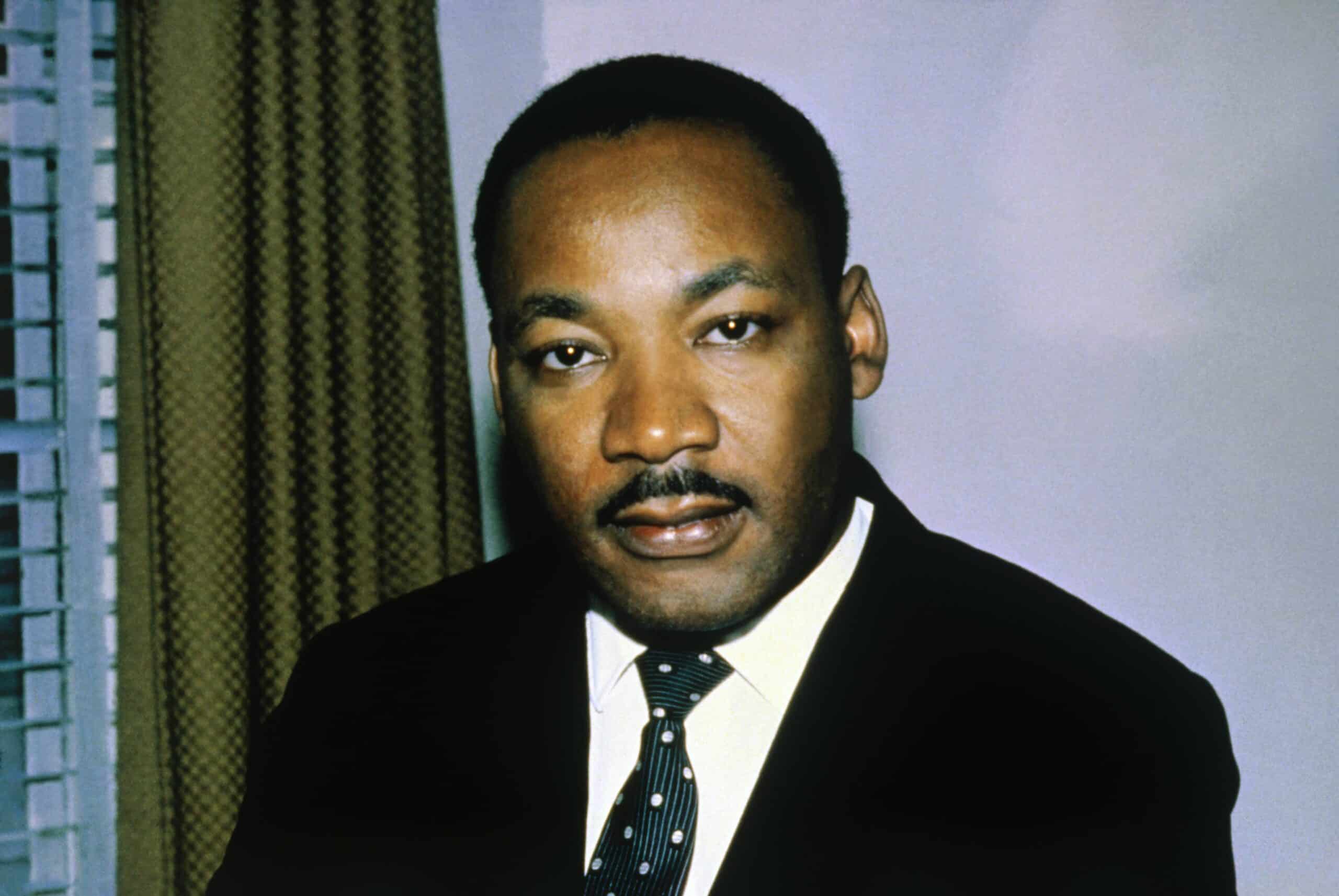
Dr. Martin Luther King, Jr.

“Health equity means that everyone has a fair and just opportunity to be as healthy as possible. This requires removing obstacles to health such as poverty, discrimination, and their consequences, including powerlessness and lack of access to good jobs with fair pay, quality education and housing, safe environments, and health care.”

Robert Wood Johnson Foundation
“Any conception of social justice that accepts the need for a fair distribution as well as efficient formation of human capabilities cannot ignore the role of health in human life and the opportunities that persons, respectively, have to achieve good health--free from escapable illness, avoidable afflictions and premature mortality.”
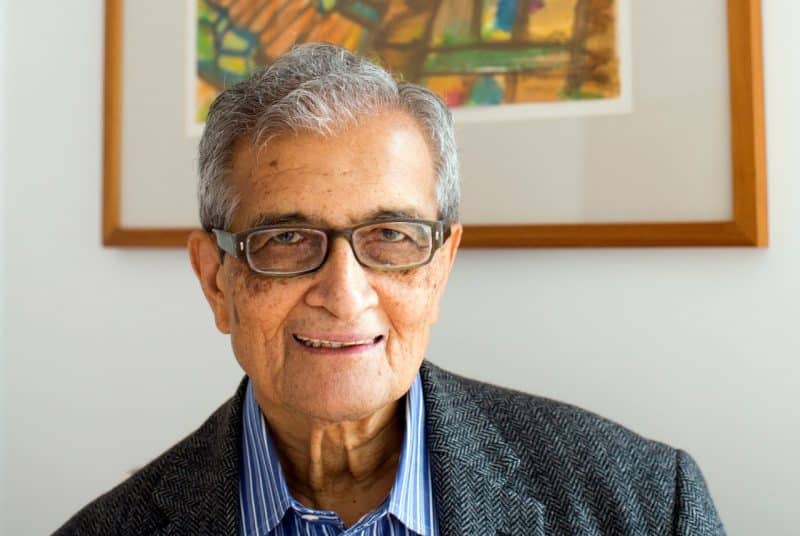
Amartya Sen